
Duratec Roofing Solutions
Understanding Commercial Roof Warranties: Prorated vs Non-Prorated
- $Home
- $Understanding Commercial Roof Warranties: Prorated vs Non-Prorated
Commercial roof investments typically range from $25,000 to $200,000+ ($5–$15 per sq ft). When repairs are needed years later, your warranty decides if you pay most or nothing. This guide compares prorated (decreasing coverage) vs. non-prorated (full protection) warranties to help you choose wisely based on your ownership timeline and risk.
Key Takeaways
- Prorated warranties decrease coverage over time; you pay more as your roof ages, shifting high costs to you after the initial years.
- Non-prorated warranties maintain full coverage throughout the warranty period, keeping your exposure consistent no matter when a claim occurs.
- NDL (No Dollar Limit) warranties provide the strongest non-prorated protection by covering the entire system at current costs, with no cap on inflation.
- Your ownership timeline drives the decision: if you plan to sell within 5-7 years, prorated warranties may suffice; if you plan to hold for 10+ years, non-prorated warranties better protect your budget.
- All warranty types require annual maintenance and documentation; neglecting this voids coverage entirely, regardless of whether you chose prorated or non-prorated.
- For long-term owners, non-prorated warranties typically break even by years 12-15 because they eliminate significant, unexpected expenses.
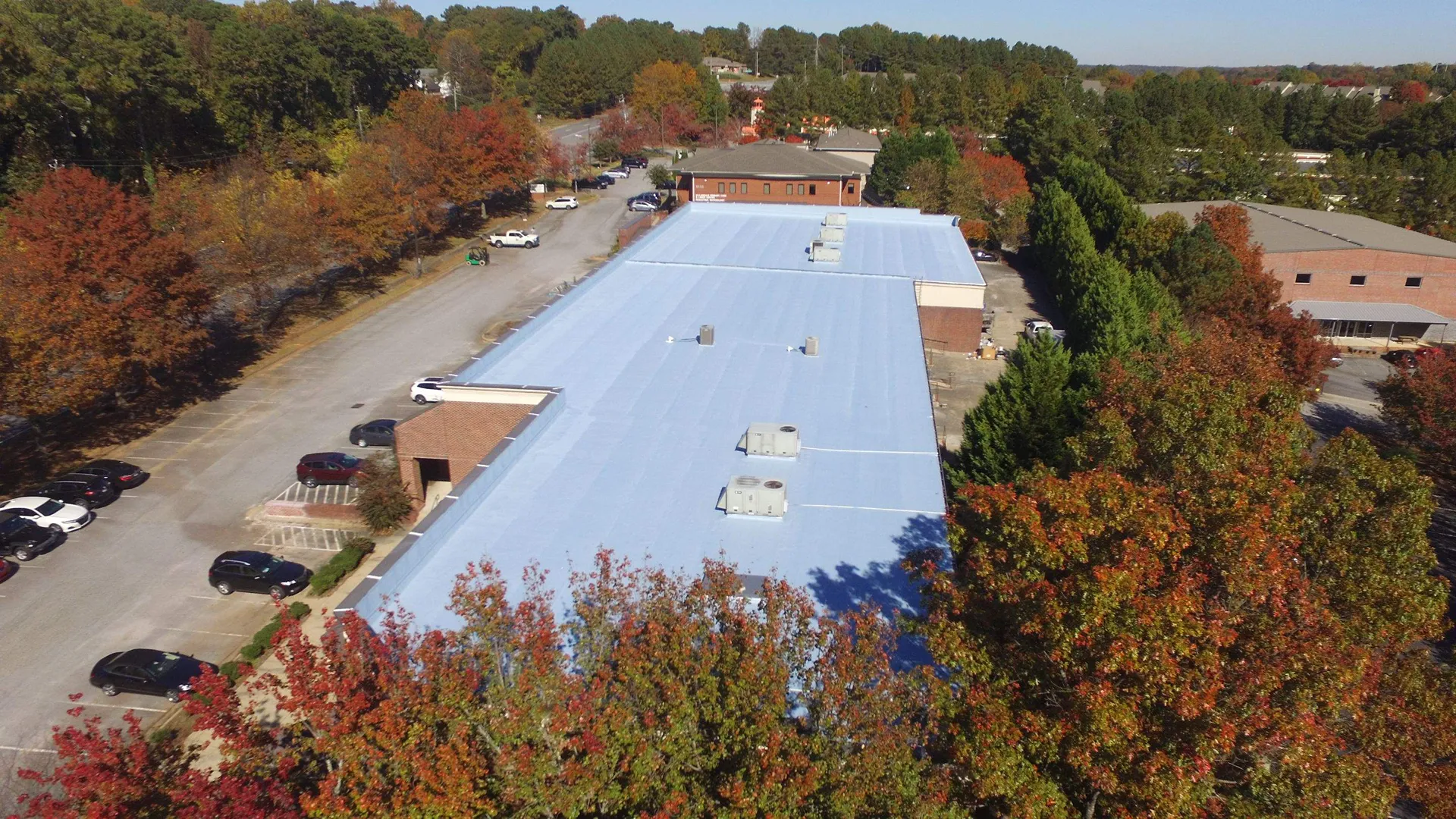
How Prorated Warranties Work
Prorated warranties start strong but reduce coverage over time. This structure means your financial protection weakens precisely when repair needs often increase with age and wear. Understanding roof warranties like this reveals why many owners face unexpected costs later.
The Sliding Scale Coverage Structure
Most prorated warranties provide full material coverage for the first 5-10 years. After that period, coverage decreases each year in proportion to the remaining warranty term divided by the total term. For example:
- Year 10 of a 20-year warranty = 50% coverage remaining
- Year 15 of a 20-year warranty = 25% coverage remaining
What You Actually Pay When Filing a Claim
The manufacturer typically covers only a decreasing percentage of roofing material costs. Most prorated warranties exclude labor coverage from day one, leaving you responsible for all installation and repair labor expenses, plus removal, disposal, and your share of materials. In a $50,000 repair at year 12 of a 20-year warranty, you could face out-of-pocket costs of $35,000 or more.
This helps you decide because it quantifies your growing risk: if you keep the building long-term, prorated warranties expose you to higher costs and budget disruptions precisely when capital may be tight.
How Non-Prorated Warranties Work
Non-prorated warranties deliver the same level of protection from year one through the final year. You avoid calculations and escalating owner costs that come with prorated options. These non-prorated warranties retain their value over time, providing you with consistent financial protection.
Consistent Full Coverage Throughout Warranty Period
Coverage remains 100% regardless of when the issue occurs. The manufacturer covers the full repair or replacement costs for covered items, typically including both materials and labor (always confirm specifics). No sliding scale means predictable protection.
The NDL (No Dollar Limit) Premium Version
NDL represents the top tier of non-prorated coverage, with no payout cap. It covers the full current replacement cost at the time of claim, including membrane, insulation, flashings, edge metal, and labor, protecting you against inflation that can significantly increase roofing costs over 15-20 years.
To budget accurately, it also helps to understand how warranty protection compares against the commercial roof replacement cost in Georgia, especially as inflation drives long-term ownership expenses. For owners evaluating membrane systems, this breakdown of commercial TPO roofing in Georgia shows how material choice, installation quality, and warranty structure work together to reduce long-term risk.
Contractors partnering with manufacturers like Conklin can offer robust, non-prorated warranties that cover both labor and materials. For example, Georgia-based Duratec Roofing Solutions offers non-prorated, renewable warranties of up to 18 years on Conklin systems, including metal roof restoration and fabric-reinforced coatings, providing full coverage without the decreasing value of prorated warranties.
- Requires installation by a manufacturer-certified contractor
- Common duration: 20 years (ranges 10-30 years)
This helps you decide by eliminating inflation risk and downtime costs. If your operations cannot tolerate significant, unexpected expenses, NDL provides complete peace of mind.
Side-by-Side Cost Comparison
The difference becomes clearest when you compare the same failure scenario across the warranty types. Assume a $100,000 commercial roof fails in year 15, and the current replacement cost with inflation is $140,000.
| Warranty Type | Coverage at Year 15 | Manufacturer Pays | Your Out-of-Pocket |
|---|---|---|---|
| Prorated Warranty | 25% | $35,000 (25% of materials only) | $105,000 |
| Standard Non-Prorated | 100% | Full materials (labor coverage varies) | $30,000-$40,000 range (varies) |
| NDL Non-Prorated | 100% no dollar limit | Full $140,000 (materials + labor) | $0 |
*Requires recoating every 5-8 years
This comparison helps you decide by showing the exact dollar exposure in a realistic late-term failure. For long-term owners, the savings from non-prorated or NDL warranties far outweigh any upfront premium, protecting both cash flow and operations from disruption.
Which Warranty Type Fits Your Situation
Your ideal warranty aligns with how long you will own the property, how critical uptime is, and your tolerance for surprise costs. Manufacturer warranties vary, but the type you select directly affects longevity and cost control.
Choose Prorated If:
- You plan to sell within 5-7 years and want to minimize initial investment
- The building supports non-critical operations where brief downtime causes minimal loss
- You maintain capital reserves for potential roof expenses
- Lower upfront costs matter more than long-term certainty
- The property is an investment flip rather than a long-term hold
Prorating keeps upfront costs lower for shorter holds. If you flip properties or have substantial reserves, the decreasing coverage poses a manageable risk.
Choose Non-Prorated If:
- You intend to own the property for 10+ years and value budget predictability
- The building houses operations that suffer from extended disruptions
- Your CFO prioritizes eliminating large unplanned capital expenditures
- You want to avoid surprises as the roof ages
Standard non-prorated warranties shield you from escalating owner costs after the early years. If mid- to long-term ownership defines your strategy, this level helps prevent financial surprises that could strain cash flow.
Choose NDL Non-Prorated If:
- You will hold the property 15+ years as a core long-term asset
- Roof failure would trigger losses far beyond repair costs (halted production, tenant vacancies)
- Lenders or investors demand comprehensive coverage
- You need zero financial exposure to roof issues
NDL delivers zero out-of-pocket exposure, even amid inflation. If your building is mission-critical, this warranty removes roof-related financial risk entirely.
Consider Your Building Type
Office buildings with moderate risk often find standard non-prorated sufficient for longevity without overpaying. Warehouses and distribution centers benefit from NDL to guard against frequent puncture risks and heavy traffic. Retail properties must weigh warranty cost against lease disruption risk; stronger coverage preserves tenant relationships.
Healthcare facilities and schools, which operate around the clock, minimize risk with NDL to avoid operational shutdowns. Industrial and manufacturing sites should calculate production downtime costs versus the NDL premium; often, the protection pays for itself quickly.
Factor in Your Financial Structure
Owner-occupied buildings feel roof issues directly, so lean toward non-prorated or NDL to protect daily operations. Investment properties require you to compare warranty costs against potential rental income loss from leaks or repairs. Portfolio owners benefit from standardizing on stronger warranties for easier budgeting across multiple assets.
Financed properties may face lender requirements for minimum warranty standards; verify early. This framework helps you decide by matching warranty strength to your specific operational and financial realities, ensuring the choice supports both cost control and business continuity.
Making Your Warranty Decision
Answer a few targeted questions to reveal the best fit for your situation. Work with your roofing contractor to carefully review the warranty terms.
Questions to Answer Before Choosing
- What is your expected ownership timeline, 5 years or 15+ years?
- How much tolerance do you have for $50,000-$100,000+ surprise expenses?
- What would roof failure cost in lost operations, tenant impact, or inventory damage?
- Can you commit to annual inspections and complete documentation?
Honest answers here determine whether prorated savings outweigh the risks or if non-prorated/NDL certainty justifies the investment.
Verify Before You Sign
- Contact the manufacturer directly to confirm your contractor’s authorization status.
- Demand warranty terms in writing, including coverage, exclusions, and maintenance requirements
- Understand registration deadlines (usually 30-90 days after installation)
- Clarify the claim process and expected response times
- Check transferability provisions if you might sell later
Work with a certified installer for the system you choose; manufacturers like Conklin require this for their strongest non-prorated warranties. Contractors such as Duratec Roofing Solutions specialize in Conklin systems.
These steps help you decide by preventing voids from unauthorized repairs or missed details that could leave you unprotected.
Document Everything
- Retain all installation records, manufacturer certifications, and photographs of the completed work.
- Schedule required inspections annually and keep every maintenance invoice
- File warranty registration immediately and save the confirmation
Thorough documentation ensures your coverage, regardless of the warranty type. If you ever file a claim, these records prove compliance and speed approval.
Frequently Asked Questions
Can I upgrade from a prorated warranty to a non-prorated one after installation?
Generally, no, the warranty type is set at installation based on materials used, contractor certification, and system design. Upgrading later requires complete roof replacement or a rare manufacturer-approved retrofit, which is expensive and disruptive. Choose carefully up front with your roofing contractor.
What happens to my warranty if I sell the property?
Most NDL and non-prorated warranties are transferable to the new owner, typically for a fee and inspection. Many manufacturers allow only one transfer and may require completion within specific timeframes. Confirm exact transfer terms with your manufacturer; transferability can increase property value and buyer confidence.
Does my warranty cover damage from leaks to inventory or equipment inside the building?
No, commercial roof warranties cover only the roof system itself, not consequential damages. Interior damage from leaks falls under your property insurance, not the roof warranty. This is a critical exclusion many owners discover too late; confirm your insurance covers water damage from roof leaks.
If my contractor goes out of business, is my warranty still valid?
It depends on the warranty type. Manufacturer-backed warranties (NDL, material-only) remain valid; you work directly with the manufacturer. Contractor workmanship warranties become worthless if the company closes. This is why manufacturer warranties, especially NDL, offer superior long-term protection.
How much do annual inspections cost, and who can perform them?
Expect $250-$1,000 per visit for standard commercial roof inspections, with costs reaching $1,500+ for very large or complex roofs requiring specialized testing. For NDL warranties, inspections must be performed by manufacturer-certified contractors only. For standard warranties, any qualified commercial roofing contractor can perform them, skipping void coverage. Factor this ongoing cost into your decision.
Can I install solar panels without voiding my warranty?
Only with prior written manufacturer approval. Unauthorized modifications void all warranty types. Submit plans for engineering review and secure any needed amendments. Some manufacturers offer solar-compatible warranties.
Conclusion
Prorated warranties offer a lower upfront cost but leave you paying more as the roof ages and repair needs grow. Non-prorated warranties, especially NDL versions, require a higher initial investment yet deliver predictable, or zero, long-term expenses by maintaining full coverage against both time and inflation.
The right choice depends on three factors: your ownership timeline, the building’s criticality to operations, and your risk tolerance. Calculate total cost over your expected hold period, add operational risk from downtime, then select the warranty that truly protects your commercial roof investment, minimizes disruption, and gives you peace of mind for years ahead.
Call us now
706-819-2584